
Collard Greens Kimchi 콜라드그린즈 김치
Equipment

Buy Kimchi Ingredients Here.
Ingredients
*The default serving of this recipe is set to 1. For this recipe, one serving refers to 2 bunches of collard greens (approximately 1.5 lb).
For Blanching Collard Green
- 2 bunch Collard Greens 2 bunches = about 1.5 LB
- 1 gal Water To boil
- 2 TBS Salt
For Sweet Flour Paste
- 1 TBS Sweet Rice Flour Can use regular flour
- ¼ cup Cold Water To mix with sweet rice flour
- 1 cup Water To boil
For Seasoning
- ⅔ cup Gochugaru, Coarse Grind Korean Chili Pepper Flakes. Our kimchi is spicy but super good. If you must, you can reduce the gochugaru by 10-20%
- 3 TBS Salted Shrimp, Sae-woo-jeot (새우젓) Substitute with half amount of anchovy fish sauce plus half amount sea salt. Get 'produced in Korea' for fish sauces.
- 8 tsp Minced Garlic
- 1 tsp Minced Ginger
- 4 tsp Sugar Can substitute with sugar substitute
- 6 roots Green Onion Wash and cut the green onions into 1/2 inch lengths.
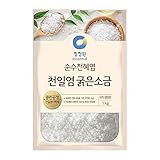
- ¼ tsp Coarse Sea Salt May vary depending on the salt used.


Instructions
If you want the best flavor, make the seasoning the day before and let it mature in the fridge overnight. But this is optional.
Make Sweet Flour Paste
- Boil water in a small pot.
- In a small bowl, mix sweet rice flour and cold water.
- As soon as the water boils, lower the heat to low-medium. Then, add the sweet rice flour water mix into the boiling water while continuously stirring.
- Continue to cook for a few more minutes while stirring until it becomes slightly thickened.
- Take it off the heat and let it cool until it becomes lukewarm. If you wanna cool it more quickly, transfer to a new bowl.
Sweet rice flour paste is used for fermentation, as it serves as an excellent carbon source for Lactobacillus bacteria.(Regular flour can also be used.)
Prepare & Blanch Collard Green
- Clean collard green thoroughly by rubbing with a brush under running water. Inspect to see if there are any insect eggs which needs to be removed. Stack them neatly.
- Boil water in a pot.
- When it starts to boil, add salt. Salt helps to keep the color of the leaves green.
- Add the stacked collard green together and blanch for about 5 minutes.
- Immediately immerse them in cold water (ice water preferred) without scattering them too much. If the water becomes warm right way, run under cold water so they are cooled down completely.
- Squeeze out the excess water.
The collard green leaves are thin, so they do not need to be brined like napa cabbage or radishes. The blanching technique is used when Koreans make kimchi with leaves such perilla leaves.
The blanching time may vary depending on the amount of collard green or water. Blanch until it becomes soft but if you blanch too long, it will become too soft and torn.
Make Seasoning
- Add coarse gochugaru into the (cooled) sweet rice flour paste and mix well.
- For salted shrimp, use mostly shrimps not the liquid but do NOT squeeze out liquid out of shrimp. Place the salted shrimp on a cutting board and roughly mince them before adding to the seasoning. You can substitute salted shrimp with anchovy fish sauce and salt. (e.g, 3 TBS of salted shrimp = replace with 1.5 TBS anchovy fish sauce plus 1.5 TBS of coarse sea salt.). For Anchovy fish sauce, get Korean one if you can. If you can't get Korean ones, you can use Vietnamese '3 crabs' brand fish sauce.
- Add salted shrimp, sugar, garlic, ginger, green onion and sea salt.
- Taste and add sea salt to adjust saltiness because depending on the brand of fermented shrimp the saltiness will vary. When you taste it, you should feel "It's quite a bit saltier than normal food seasoning" It's usually better to be a bit saltier side than bland because not enough salt will result in bad kimchi. If the seasoning is too thick or too salty, you can add a little water.
- OPTIONAL: Cover the seasoning and let it mature for 2-3 hours at room temperature. You can store this seasoning in the fridge overnight to bring out even deeper flavor but is optional.
OPTIONAL: After adding gochugaru, leave it for about 30 minutes to get a more vibrant color. Do not add gochugaru to hot flour paste as it will produce bitter flavor.
You can make the seasoning bulk and freeze for future use. If freezing, don't add green onions but add them when using. To thaw, leave in the fridge overnight.
Apply Seasoning
- Place a leaf on a plate or tray and add seasoning. Then layer another leaf on top and add seasoning. Repeat this for all the leaves.
- Since the stem side is thicker, it's best to rotate every 2-3 leaves so you end up with a flat stack instead of the stem side becoming much higher. But this is optional.
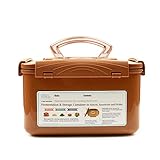
- Place in a container with a good seal. You can use any glass container or high quality plastic container, but for best results, use our Crazy Korean Cooking Kimchi Container which induces probiotic fermentation and keeps the kimchi at an optimal condition. It also keeps the smell in very well.
If you don't have time, you can just mix the seasoning with blanched leaves without flattening and layering leaves one by one.
Fermenting & Storage
- You can enjoy it right away especially if you matured seasoning as per the optional step. To ferment, store in the fridge for a week or longer.
Collard green kimchi will last for months in the fridge if it doesn't become moldy. But, for best taste, eat within a month or so.
Notes
Good to Know
The quality of sea salt and gochugaru (Korean hot pepper flakes) is key to making great kimchi. Although high-quality ingredients are more expensive, they produce the best flavor and overall quality in the finished kimchi. Salted Shrimp: Salted shrimp can be found in the refrigerated or freezer section of Korean markets. If possible, check the label and buy one that says produced in Korea. If you can't find locally, you can try https://www.kevinschoices.com (they ship nationally) or Hmart online. Store salted shrimp in the freezer to keep it for a long time since only a small amount is used at a time. Due to its saltiness, it doesn't freeze solid so you can use it anytime without thawing. You can substitute salted shrimp with anchovy fish sauce and salt. (e.g, 3 TBS of salted shrimp = replace with 1.5 TBS anchovy fish sauce plus 1.5 TBS of coarse sea salt.). For Anchovy fish sauce, get Korean one if you can. If you can't get Korean ones, you can use Vietnamese '3 crabs' brand fish sauce. Kimchi Seasoning LeftoverIf you have made more seasoning than you need, you can freeze the seasoning (the seasoning before you add green onions preferably). When the next round of kimchi comes around, thaw the seasoning in the fridge overnight and use it.
Tried this recipe?Let us know how it was!


